
The Wind in the Willows
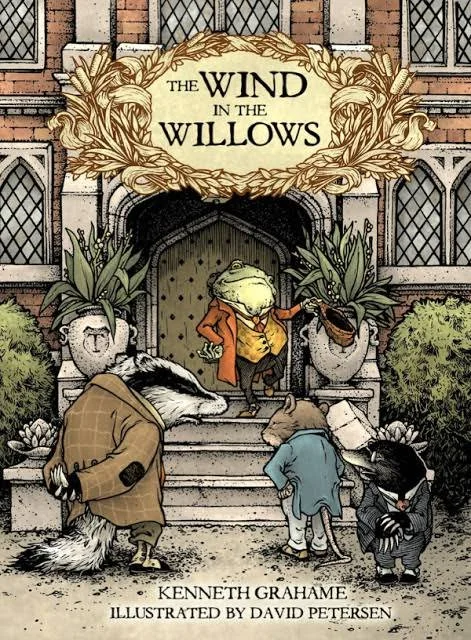
Title and Author: The Wind in the Willows by Kenneth Grahame
Illustrator: David Petersen
Genre Classification: Classic Literature, Folk & Fairy Tales
Target Era/Subject: Edwardian England / Pastoral Anthropomorphism
Best Reading Age: Read aloud for ages 7+, Solo reading for ages 11+
Assigned Virtue Tags: temperance, humility, responsibility, discernment
Living Book Status: Essential Reading
The Story Overview
In The Wind in the Willows, the heartbeat of the story is the lessons the book teaches us. The Wind in the Willows was originally written as bedtime stories for Graham’s son, Alastair, who was known to have reckless behavior.
The character of the proud, impulsive, and reckless Mr. Toad was made to teach Alastair the consequences of losing self-control and the dangers of reckless behavior. Ratty and Mole serve as the image of an ideal friendship. Mr. Badger is, in a sense, the elder of the story who passes on his wisdom to the next generation, some of whom choose to ignore it, like Toad.
The Wind in the Willows incorporates moral lessons from the Bible, such as the proverb:
“Pride goeth before destruction and an haughty spirit before a fall.” (Proverbs 16:18).
This proverb is illustrated many times by the beloved Mr. Toad who is also the “prodigal son” of this story. If you are looking for imaginative adventures and moral lessons that will help shape your child I recommend The Wind in the Willows.
Why It is a Living Book
Kenneth Grahame’s prose is a masterclass in the "living book" tradition, capturing the imagination with rich, atmospheric descriptions of the natural world. Written originally as deeply personal bedtime stories to guide his own son away from reckless behavior, the narrative treats virtue not as an abstract concept, but as the literal framework of a beautiful life. Ratty and Mole present an enduring archetype of ideal, self-sacrificing friendship, while Mr. Badger embodies the crucial role of multi-generational wisdom. The moral weight of the story is anchored organically in timeless spiritual truths, directly mirroring the biblical reality that pride inevitably precedes a fall.
Parent Guide
This classic tale offers a beautiful springboard for family discussions over tea about accountability, the consequences of self-indulgence, and the grace required to welcome back a wayward, "prodigal" loved one. Parents should note that the Wild Wood scenes carry a subtle, atmospheric tension that might feel slightly eerie for very young listeners. Toad's brief imprisonment and his reckless driving also provide excellent opportunities to discuss how a lack of self-control harms an entire community.
Linguistic Note for Read-Alouds: Grahame frequently utilizes the traditional, archaic term "ass" when referring to a donkey (such as the animal pulling the gypsy caravan or during Toad's escapes). When reading aloud to ages 7-8, parents may want to seamlessly substitute the word "donkey" or briefly explain the historical, biblical context of the vocabulary word beforehand to prevent any modern misunderstandings or classroom giggles.